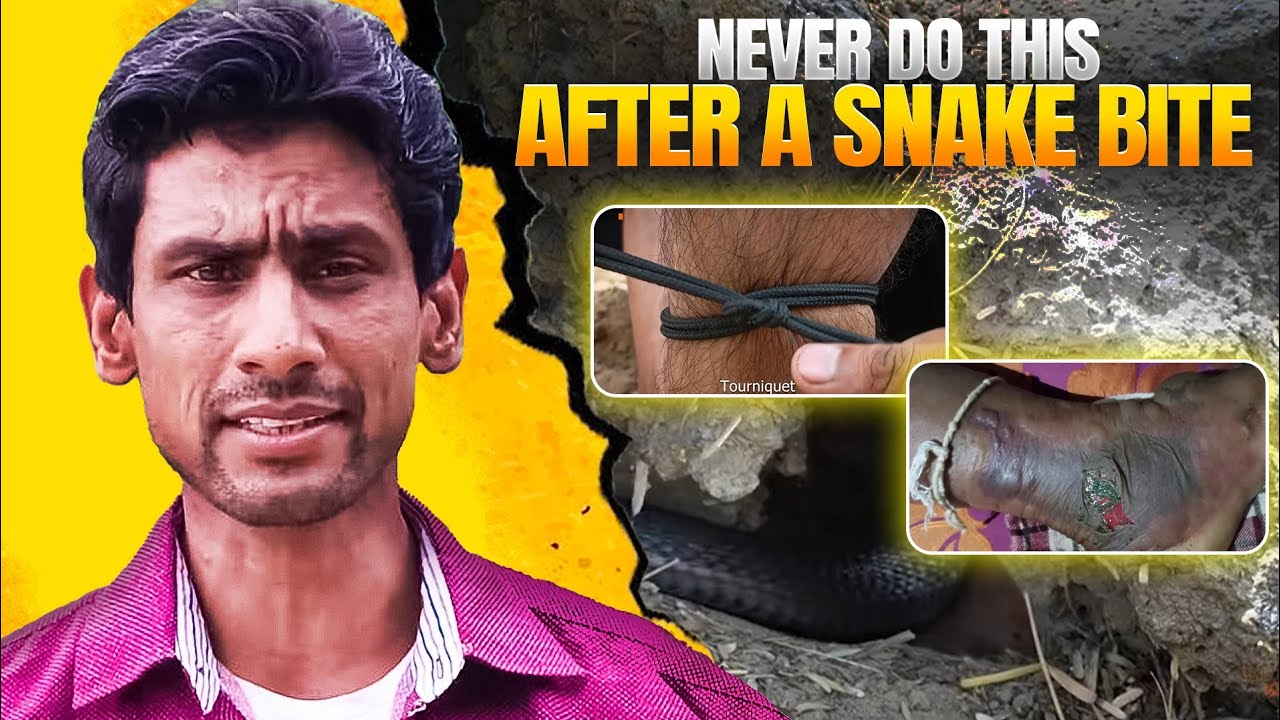
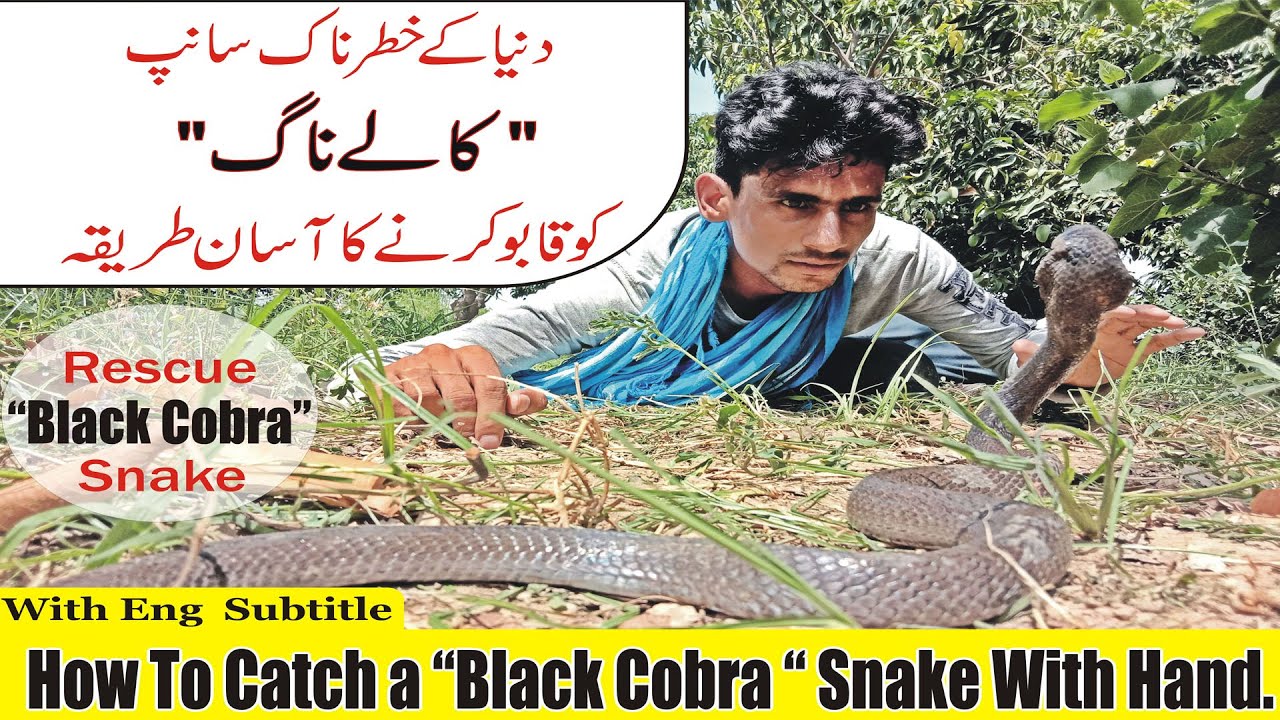
Key Takeaways
- Safety first: Always assess the situation, identify the species if possible, and wear protective gear before handling any snake
- Use proper tools: Snake hooks, tongs, cloth bags, and clay pots are essential — never use bare hands on unknown snakes
- Step-by-step technique: Approach calmly, use a hook to gently lift at the mid-body, support the weight evenly, and place in a breathable container
- Avoid common mistakes: No grabbing by the head/tail, no plastic containers (overheat), no excessive force (damages spine and organs)
- Conservation matters: Every snake plays a vital ecological role — always prioritize non-lethal, ethical handling and relocation
Table of Contents
Introduction
It was late evening in a small village near Multan, Pakistan, when our team at WildRush Pakistan received a frantic call. A family had discovered a 4-foot cobra coiled behind their kitchen stove. The children were terrified, and the neighbors were already gathering sticks to kill it. We arrived just in time — and within 15 minutes, using a snake hook and a cloth bag, the cobra was safely captured and later released into a nearby canal-side habitat, unharmed.
Situations like this happen across Pakistan every single day. Most snake-human encounters end badly — not because snakes are aggressive, but because people don't know how to respond safely. In this comprehensive guide, you'll learn professional snake handling techniques, the right safety gear, critical mistakes to avoid, and ethical practices that protect both you and the snake.
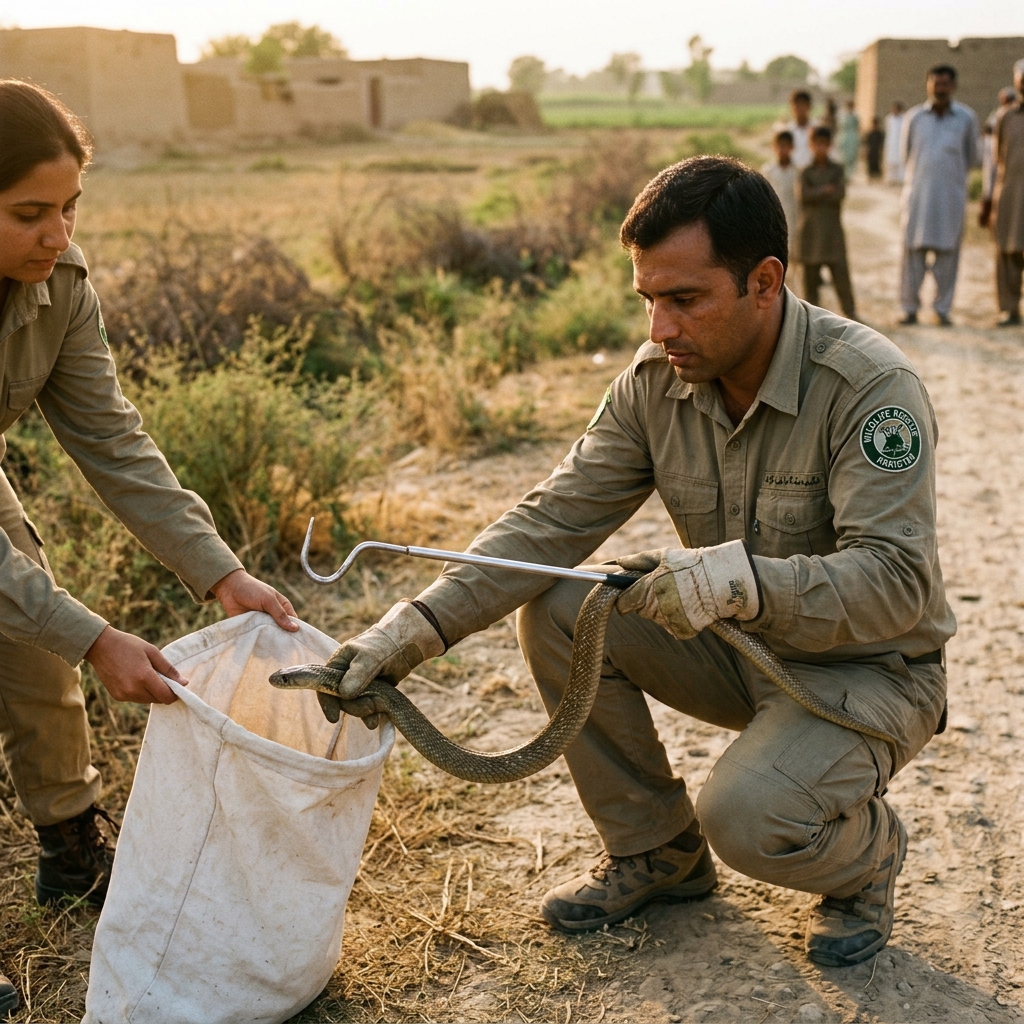
A WildRush Pakistan field rescue — safely capturing a snake using proper handling equipment in rural Punjab.
Why Safe Snake Handling Matters
Improper snake handling is dangerous for both the handler and the animal. Every year, thousands of snakes are killed unnecessarily during encounters — and hundreds of people are bitten while attempting untrained rescues. Understanding why safe handling matters is the first step toward protecting lives on both sides.
Risks of Improper Handling
- Snake bites: Over 50,000 snakebite deaths occur globally each year, many during amateur handling attempts
- Injury to the snake: Rough handling can fracture the snake's delicate spine, crush internal organs, or cause fatal stress-induced shock
- Legal consequences: Many snake species are legally protected — injuring or killing them can result in fines or prosecution
- Ecological damage: Snakes are vital pest controllers — a single rat snake can consume over 200 rodents per year
Common Mistakes in Snake Rescues
| ❌ Mistake | ⚠️ Consequence | ✅ What to Do Instead |
|---|---|---|
| Grabbing with bare hands | High bite risk, venom exposure | Use a snake hook or tongs |
| Pinning the head down | Skull fracture, jaw injury to snake | Gently guide with a hook |
| Using sticks or brooms | Spinal damage, defensive strikes | Use purpose-built snake tools |
| Chasing the snake | Triggers defensive behavior | Stay calm, observe from distance |
| Putting in plastic box | Overheating, suffocation | Use cloth bags or clay pots |
Essential Equipment for Snake Handling
Having the right tools is non-negotiable for safe snake handling. Whether you're a rescue volunteer, a herpetology student, or an ecotourist preparing for field work, here's what you need.
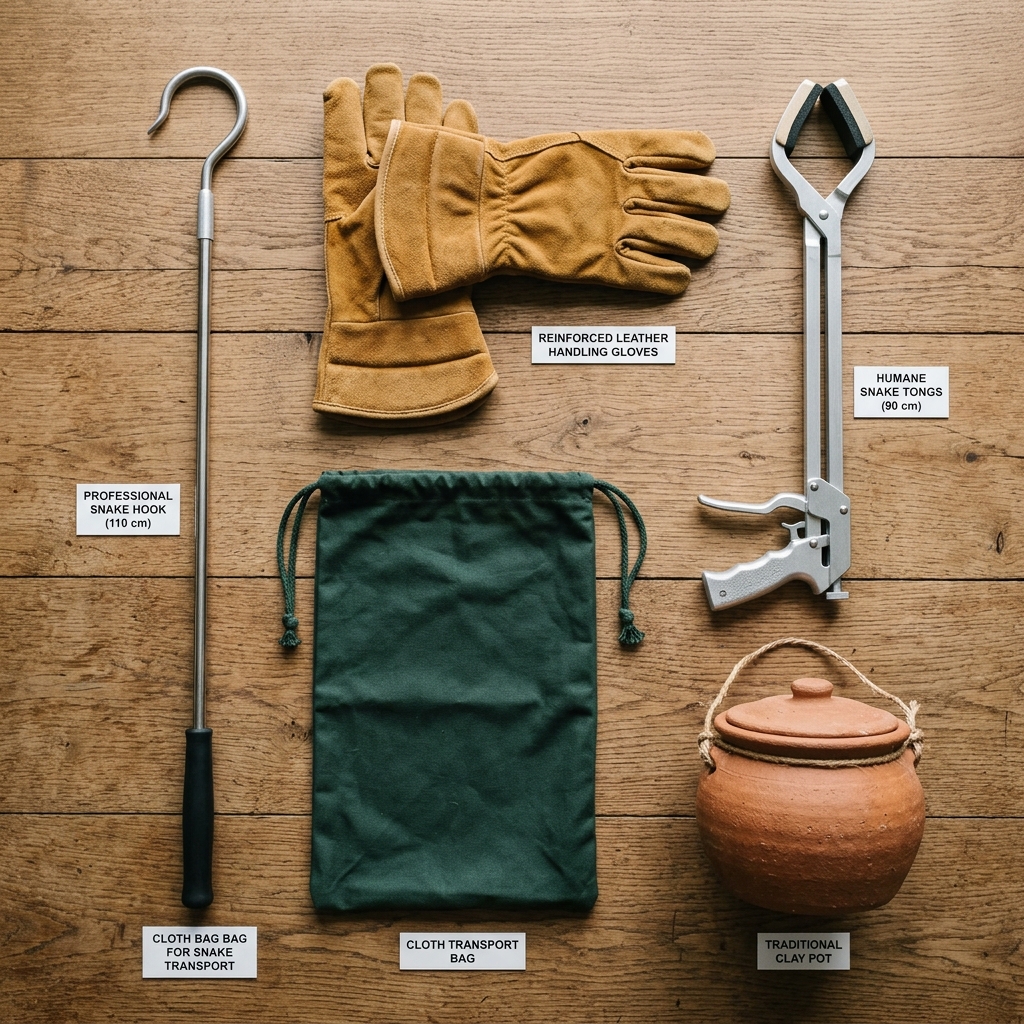
Essential snake handling equipment — a professional snake hook, tongs, reinforced gloves, cloth transport bag, and traditional clay pot.
| Tool | Purpose | Approx. Cost (PKR) |
|---|---|---|
| Snake Hook (90–120 cm) | Lifting, guiding, and controlling snakes from a safe distance | ₨ 1,500–4,000 |
| Snake Tongs (60–100 cm) | Gripping snakes at a distance; ideal for venomous species | ₨ 2,000–5,000 |
| Leather Gloves | Hand protection against bites from non-venomous snakes | ₨ 800–2,500 |
| Cloth Bag / Pillowcase | Breathable transport — keeps snakes calm and cool | ₨ 200–500 |
| Clay Pot (Matka) | Traditional temporary housing — naturally cool, ventilated | ₨ 100–300 |
| Headlamp / Torch | Night rescues and inspecting dark spaces | ₨ 500–2,000 |
How to Prepare Containers for Safe Temporary Housing
- Cloth bags: Use double-layered cotton bags with a drawstring closure. Tie securely but never airtight
- Clay pots: Ensure the lid has ventilation holes. Place a damp cloth inside for humidity
- Avoid glass and plastic: Glass can shatter; plastic traps heat. Both are dangerous for temporary snake housing
- Keep containers shaded: Never leave a bagged or potted snake in direct sunlight — even 10 minutes can be fatal
Step-by-Step Snake Handling Techniques
Whether you're conducting a snake rescue in an urban home or handling a specimen during field research, these are the professional techniques used by wildlife rescuers worldwide.
Step 1: Assess the Situation
Before approaching any snake, take a moment to evaluate the scene:
- Identify the species if possible — is it venomous or non-venomous?
- Observe the snake's behavior — is it calm, coiled defensively, or actively striking?
- Check the surroundings — are there people, pets, or obstacles nearby?
- Ensure your exit route — always have a clear path to move away quickly
Step 2: Approach Calmly
Snakes detect vibrations through the ground. Walk slowly and deliberately — sudden movements trigger defensive responses. Approach from the side, never from directly behind (where you're in their blind spot and may startle them) or from the front (where you're in striking range).
Step 3: Using the Snake Hook
- Gently slide the hook under the middle third of the snake's body
- Lift slowly — let the snake drape naturally over the hook
- Support the weight — use a second hook if the snake is large
- Guide, don't force — move the snake toward the container with smooth motions
Step 4: Using Snake Tongs (for Venomous Species)
- Grip the snake gently at the mid-body — never the head or tail
- Apply minimal pressure — just enough to hold, never to squeeze
- Keep the snake at arm's length at all times
- Transfer to a cloth bag held open by a second person
Step 5: Safe Placement in Containers
- Hold the bag open with one hand, guide the snake in with the hook
- Let the snake slide in naturally — never drop or push it
- Tie the bag securely with a knot at least 30 cm above the snake
- Place the bag in a secure, shaded location for transport
Common Mistakes and How to Avoid Them
Even experienced handlers make mistakes. Here are the most dangerous and common errors we've witnessed in the field — and how to avoid them.
1. Using Bare Hands for Unknown Snakes
This is the number one cause of snakebites during rescue attempts. Even non-venomous snakes bite when stressed. Their teeth can cause infection, and some species like the Common Krait are so mildly patterned that they're easily mistaken for harmless species. Always use tools.
2. Applying Too Much Force
Snakes have hundreds of delicate ribs connected to their spine. Squeezing too hard with tongs can fracture ribs, damage the heart (located roughly one-quarter down from the head), crush the lungs, or rupture the liver. Handle with a firm but gentle grip — imagine holding a ripe tomato.
3. Improper Containers Causing Overheating
We once arrived at a rescue where a well-meaning villager had placed a cobra in a sealed plastic water bottle. The snake was near death from heat exhaustion. Plastic and glass containers become greenhouses in the sun. Always use breathable materials — cloth bags, clay pots, or ventilated wooden boxes.
4. Ignoring Warning Signs
Snakes communicate clearly before striking. If you see these signs, back away immediately:
- Hissing: A loud, sustained hiss is a clear "stay away" signal
- S-coiling: The snake pulls its head back into an S-shape — it's in strike position
- Hood display: Cobras spread their hood as a warning
- Tail vibration: Many vipers vibrate their tail rapidly against the ground
- Musk release: A foul-smelling discharge means the snake is extremely stressed
Understanding Snake Anatomy and Behavior
To handle snakes safely, you need to understand their body. Knowing where their vital organs are and how they respond to stress can mean the difference between a successful rescue and a tragedy.
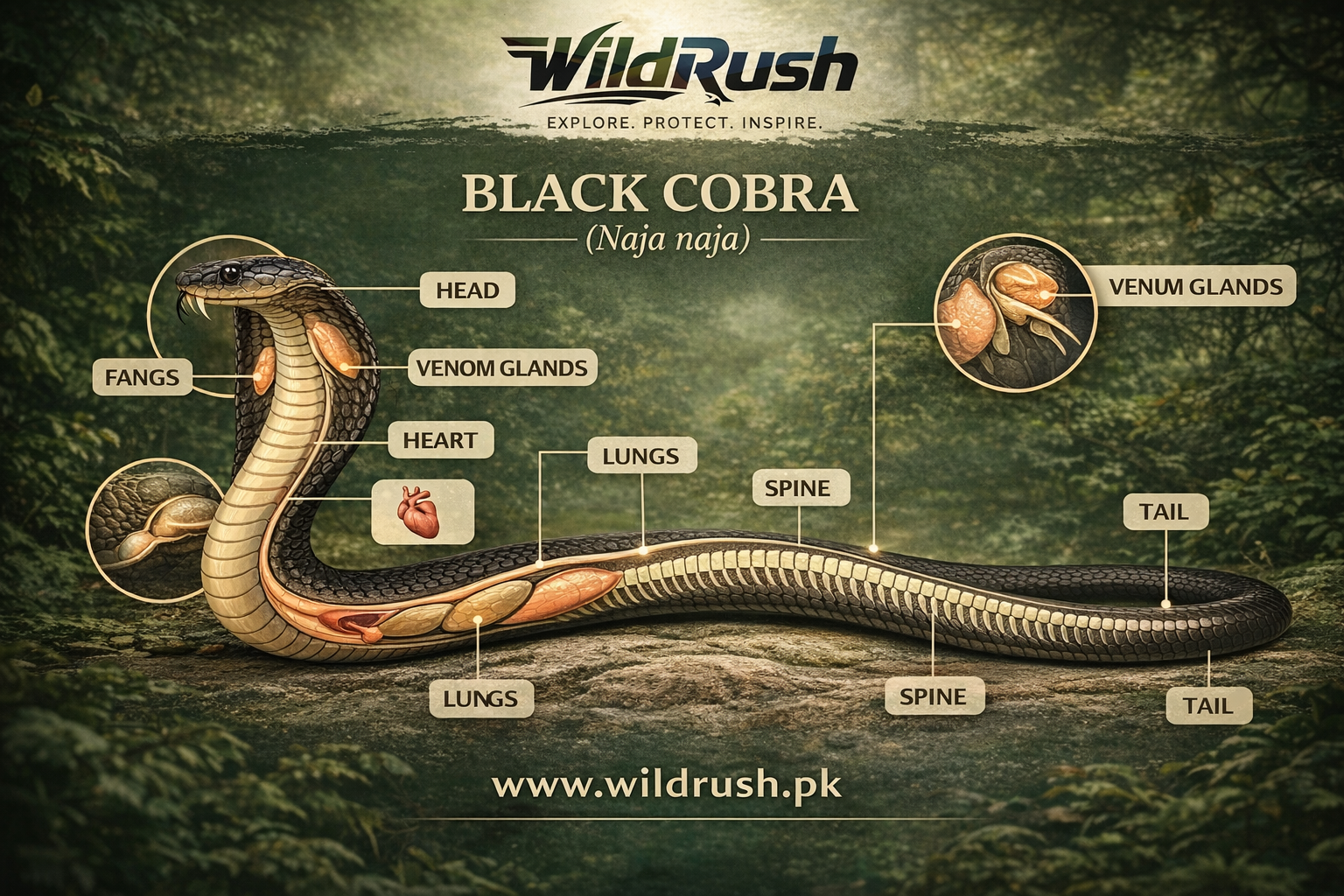
A cobra in full defensive display — raised hood, tongue flicking, and coiled body. These are clear warning signs to maintain distance.
Vital Areas to Avoid Pressing
| Organ | Location | Why It Matters |
|---|---|---|
| Heart | ~25% from the head | Pressure can cause cardiac arrest |
| Lungs | ~20–40% from the head | Compression prevents breathing |
| Liver | ~35–50% from the head | Fragile organ; ruptures easily under force |
| Spine | Entire body length | Fractures cause paralysis and death |
How Stress Affects Snakes
Snakes experience physiological stress just like mammals. Rough handling triggers a cortisol surge that can lead to:
- Regurgitation — stressed snakes vomit their last meal, wasting energy
- Immune suppression — making them vulnerable to infections after release
- Cardiac arrest — extreme stress can literally stop a snake's heart
- Behavioral changes — stressed snakes become more defensive and unpredictable
Ethical Considerations and Conservation
At WildRush Pakistan, we believe every snake rescue is an opportunity to educate. Snakes are among the most misunderstood and persecuted animals on earth — yet they are absolutely essential to healthy ecosystems.
Importance of Non-Lethal Handling
Killing a snake doesn't solve the problem — it removes a natural pest controller and creates an ecological vacuum. A single rat snake eliminates more rodents than any amount of poison. When we kill snakes, we invite more rodents, more crop damage, and more disease.
Relocation Best Practices
- Release within 1 km of the capture site when possible — snakes have home ranges and may die if relocated too far
- Choose suitable habitat — near water, with ground cover, away from human settlements
- Release at dusk — cooler temperatures and low visibility reduce predation risk for the snake
- Never release on roads or open fields — snakes need cover to survive
Respecting Wildlife Laws
In Pakistan, several snake species are protected under the Pakistan Wildlife Ordinance and international CITES regulations. Killing, capturing for trade, or keeping protected species without permits is illegal and carries serious penalties. Always coordinate with local wildlife departments and follow provincial regulations.
Watch: Snake Handling Tips | Guide
Watch a professional demonstration of safe snake handling techniques. This video covers proper use of snake hooks, tongs, and safe transport methods used in real field rescues.
🎬 Watch a professional demonstrate safe snake handling techniques — by WildRush Pakistan.
Frequently Asked Questions
Conclusion
Safe snake handling isn't just a skill — it's a responsibility. Whether you're a wildlife rescue volunteer, a herpetology student, or simply someone who wants to know what to do when a snake enters your home, the principles remain the same: stay calm, use proper tools, handle gently, and always prioritize the animal's welfare.
Remember: snakes are not your enemies. They are essential ecological partners that control rodent populations, maintain food chain balance, and contribute to biodiversity. Every snake you rescue and relocate safely is a victory for conservation.
At WildRush Pakistan, we've rescued hundreds of snakes — from cobras in kitchens to vipers in farmlands — and every single rescue reinforces the same lesson: education beats fear. Share this guide, spread the knowledge, and help us build a Pakistan where humans and snakes can coexist peacefully. 🐍🌿